 Cart is empty
In the digital world, understanding and implementing Search Engine Optimization (SEO) is crucial for bloggers. SEO is the process of optimizing your website to gain higher search engine rankings and attract more visitors. This post will guide you through essential SEO tips to enhance your blog’s visibility and success.
Start by identifying keywords relevant to your content. Use tools like Google Keyword Planner or SEMrush to find keywords your audience is searching for. Incorporating these keywords naturally into your posts can significantly improve your search engine rankings.
Your post titles should be catchy, yet infused with your primary keyword. This not only grabs attention but also tells search engines what your content is about.
Break your content into smaller sections using headings and subheadings. This improves readability and also allows you to incorporate secondary keywords.
With the increasing use of mobile devices, ensure your blog is mobile-friendly. Also, a fast-loading site improves user experience and SEO rankings.
Link to other relevant posts within your blog (internal linking) and to authoritative external sources. This not only provides value to your readers but also boosts your SEO.
Use relevant images and optimize them with descriptive file names and alt tags containing your keywords.
Search engines favor regularly updated websites. Keep your content fresh and up-to-date.
Promote your posts on social media. This increases your content’s reach and can indirectly improve your SEO through increased traffic.
Implementing these SEO strategies can significantly enhance your blog’s visibility and audience reach. Remember, SEO is an ongoing process, so continuously refine your tactics and stay updated with the latest SEO trends. Happy blogging!

Welcome to the world of blogging! Whether you’re a beginner looking to start your journey or an experienced blogger aiming to enhance your skills, this post is designed to provide valuable insights and strategies for successful blogging. Blogging is not just about writing; it’s an art that involves engaging your audience, sharing your knowledge, and building a community.

Before you start typing away, it’s crucial to understand your audience. Who are they? What are they interested in? Understanding your audience helps you tailor your content to their interests, ensuring that your blog resonates with them.
The heart of your blog is your content. High-quality, original content is key to attracting and retaining readers. Be authentic and provide value. Whether it’s how-to guides, personal stories, industry insights, or entertaining posts, ensure your content is engaging and adds value to your readers.
Consistency in posting is vital. It helps in building a loyal audience. Develop a content calendar to plan your posts. This not only keeps you organized but also ensures that your blog stays active and relevant.
Understanding the basics of Search Engine Optimization (SEO) can greatly increase your blog’s visibility. Use relevant keywords, create compelling meta descriptions, and optimize your images. Remember, SEO is a marathon, not a sprint.
Engagement doesn’t stop at publishing your post. Interact with your readers through comments, emails, and social media. This engagement builds a community around your blog and helps you understand your audience better.
Blogging is a rewarding journey. It allows you to express yourself, share your knowledge, and connect with like-minded individuals. By understanding your audience, consistently delivering quality content, and engaging with your readers, you can build a successful blog. Remember, every great blogger started just like you – with a single post. Happy blogging!
Growing a dedicated and engaged audience is a critical aspect of successful blogging. This post explores effective strategies to build and maintain a loyal readership for your blog.

Understanding who your readers are is fundamental. Tailor your content to their interests, needs, and preferences. Use analytics tools to gain insights into your audience demographics.
Consistently produce content that is informative, entertaining, and valuable. Quality content is what will keep your audience coming back for more.
Interact with your readers through comments, emails, and social media. Engaging with your audience builds a sense of community and loyalty.
Collect email addresses and send regular newsletters to keep your audience informed and engaged with your latest posts.
Make it easy for readers to share your content on social media. This not only extends your reach but also helps in attracting new followers.
Collaborate with other bloggers or influencers in your niche. This exposes your blog to a wider audience.
Consider offering exclusive content, freebies, or perks to your loyal readers. This could be in the form of eBooks, webinars, or special posts.
Building a loyal blog audience takes time and effort. By understanding your audience, creating quality content, engaging with readers, and utilizing different marketing strategies, you can grow and maintain a dedicated readership. Remember, the key is consistency and authenticity.

One of the biggest challenges for bloggers is consistently coming up with new and interesting topics. This post will share practical tips to help you find inspiration and keep your blog fresh and engaging.

Regularly read other blogs, news sites, and publications in your niche. Staying informed helps you identify trending topics and gaps in existing content.
Keyword research tools can reveal what your target audience is searching for. This data can inspire topics that are both relevant and SEO-friendly.
Listen to your audience. Comments, emails, and social media interactions can provide insights into what your readers are interested in.
Check out what your competitors are writing about. This can spark ideas for topics that you can approach from a unique angle.
Always keep a journal or digital note-taking app handy to jot down ideas as they come to you.
Look at your older posts. Can they be updated, expanded, or spun into a new topic?
Engage in online communities related to your niche. Questions and discussions here can be a goldmine for blog topics.
Online tools like HubSpot’s Blog Ideas Generator can provide instant ideas when you’re feeling stuck.
Finding new blog ideas doesn’t have to be daunting. With these strategies, you can continually come up with fresh, engaging topics that keep your audience coming back for more. Remember, inspiration is everywhere—you just need to know where to look!
Every great blog post starts with a solid structure. A well-structured blog not only enhances readability but also keeps your readers engaged. This post will explore the key elements of an effective blog structure.
Your headline is the first thing readers see. Make it catchy, clear, and concise. It should pique interest and give a hint about the content.
Begin with an engaging introduction. Use it to hook your reader, provide context, and set the tone for your post.
Break your content into clear, digestible sections. Use headings and subheadings to guide readers through your post. Each section should flow logically and contribute to the overall topic.
Where appropriate, use bullet points or lists to present information clearly. They make the content easier to scan and digest.
Visuals can break up text and add an extra layer of engagement. Use relevant images, infographics, or videos to complement your content.
Add your personal insights or experiences. This personal touch can make your blog more relatable and engaging.
End with a conclusion that summarizes the main points. Include a call to action, encouraging readers to engage, share, or explore further.
Maintain a consistent format throughout your blog. This includes font sizes, styles, and color schemes.
A well-structured blog post is crucial for engaging and retaining readers. By following these guidelines, you can create posts that are not only informative but also enjoyable to read. Happy blogging!

A key aspect of successful blogging is not just creating great content, but also effectively promoting it. This post will explore various strategies to increase the visibility and reach of your blog.
Utilize different social media platforms to promote your blog posts. Tailor your approach for each platform to maximize engagement.
Collaborations can introduce your blog to new audiences. Consider guest posting, interviews, or joint social media promotions.
Continuously optimize your blog for search engines. Use relevant keywords, meta descriptions, and high-quality backlinks to improve your blog’s visibility.
Be active in online communities related to your blog’s niche. Share your expertise and occasionally link to your relevant blog posts.
Send regular newsletters to your subscribers. Include snippets of your latest posts to drive traffic back to your blog.
Consider using paid advertising options like Google AdWords or social media ads to reach a larger audience.
Produce content that is likely to be shared. This includes listicles, how-to guides, and posts with original research or insights.
Promoting your blog requires a multi-faceted approach. By utilizing a mix of social media, collaborations, SEO, community engagement, email marketing, and paid advertising, you can significantly increase your blog’s reach and visibility.
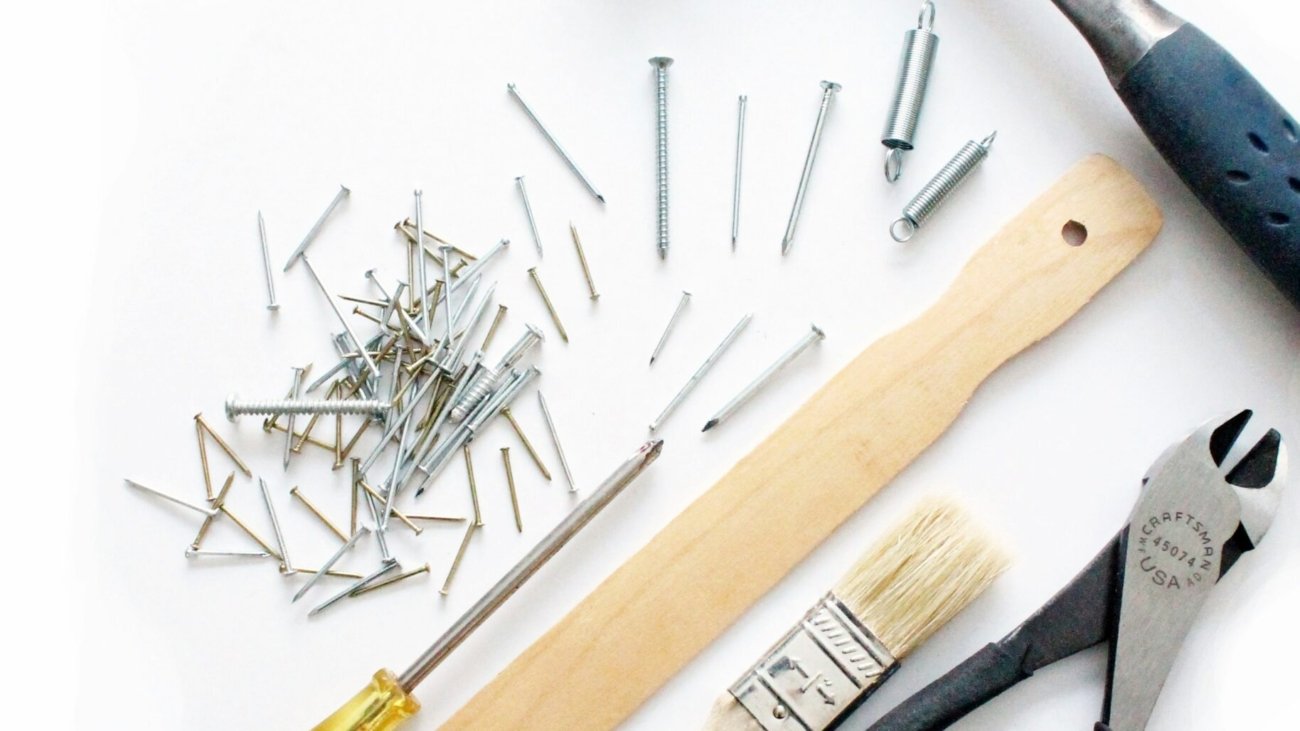
When it comes to repair tasks, having the right tools can make all the difference. Whether you’re fixing gadgets, electronics, furniture, bath fixtures, or working on garden and house repairs, having a comprehensive toolkit is essential. Here are some of the best tools and kits you should consider:
A screwdriver set is a must-have for any repair task. Look for a set that includes both flathead and Phillips head screwdrivers in various sizes. This will ensure that you have the right tool for any type of screw.
Pliers are versatile tools that can be used for a wide range of tasks. Look for a set that includes both needle-nose pliers and regular pliers. These tools are perfect for gripping, bending, and cutting wires, as well as holding small objects securely.
An adjustable wrench is a handy tool for tightening or loosening nuts and bolts of various sizes. Look for a wrench with a comfortable grip and a wide opening range to ensure it can handle different tasks.
A tape measure is essential for accurately measuring distances and dimensions. Look for a tape measure that is at least 25 feet long and has both metric and imperial measurements for versatility.
A utility knife is a versatile cutting tool that can be used for a wide range of tasks, from opening packages to cutting through materials. Look for a knife with a retractable blade and a comfortable grip for ease of use.
A hammer is an essential tool for any repair task that involves driving nails or removing them. Look for a hammer with a comfortable grip and a weight that suits your needs.
An Allen wrench set, also known as a hex key set, is essential for tasks that involve tightening or loosening hexagonal screws and bolts. Look for a set that includes a range of sizes to ensure you have the right tool for any task.
A level is essential for ensuring that objects are straight and level. Look for a level that is at least 2 feet long and has both horizontal and vertical bubble vials for accuracy.
An electrical tester is essential for any repair task that involves working with electricity. Look for a tester that can detect voltage, continuity, and current to ensure your safety.
To keep all your tools organized and easily accessible, invest in a good quality tool bag or box. Look for one with multiple compartments and a sturdy construction to protect your tools.
Having the right tools is essential for any repair task. Whether you’re fixing gadgets, electronics, furniture, bath fixtures, or working on garden and house repairs, the tools and kits mentioned above will help you get the job done efficiently. Invest in high-quality tools and keep them organized in a tool bag or box for easy access. With the right tools at your disposal, you’ll be able to tackle any repair task with confidence.
When it comes to tackling repair tasks, having the right tools is crucial. Whether you’re fixing gadgets, electronics, furniture, bath fixtures, or working on garden and house repairs, having a well-stocked toolbox can make all the difference. Here’s a comprehensive list of top useful tools and kits that every DIY enthusiast should have:
A screwdriver set is a must-have for any repair task. It is essential for loosening or tightening screws in various objects. Look for a set that includes both flathead and Phillips screwdrivers in different sizes to cover all your needs.
Pliers are versatile tools that can be used for a wide range of tasks. They are especially useful for gripping, bending, and cutting wires. Invest in a set of long-nose pliers, diagonal cutting pliers, and slip-joint pliers to handle different repair jobs effectively.
A hammer is an indispensable tool for any DIY enthusiast. It is used for driving nails, removing nails, and general carpentry work. Opt for a hammer with a comfortable grip and a claw on one end for easy nail removal.
A tape measure is essential for accurately measuring dimensions and distances. Whether you’re measuring for furniture placement or cutting materials, a tape measure is a must-have tool. Look for one with both imperial and metric measurements for versatility.
An adjustable wrench is a versatile tool that can be adjusted to fit different sizes of nuts and bolts. It is useful for plumbing repairs, assembling furniture, and various other tasks. Invest in a high-quality adjustable wrench that provides a firm grip.
A utility knife is a handy tool for cutting materials such as cardboard, plastic, and carpet. It is also useful for opening packages and scoring surfaces. Look for a utility knife with a retractable blade for safety and convenience.
A level is essential for ensuring that objects are straight and level. Whether you’re hanging shelves, pictures, or installing fixtures, a level will help you achieve professional-looking results. Look for a level with both horizontal and vertical bubbles for accurate leveling.
An Allen wrench set, also known as a hex key set, is necessary for assembling furniture, tightening screws, and working on bicycles. Look for a set that includes a range of sizes to cover different needs.
Wire cutters are essential for cutting and stripping wires. They are commonly used in electrical repairs, but also come in handy for various other tasks. Look for wire cutters with insulated handles for added safety.
Lastly, invest in a sturdy toolbox to keep all your tools organized and easily accessible. Look for a toolbox with multiple compartments and a secure latch to prevent your tools from getting damaged or lost.
Having the right tools and kits can make any repair task easier and more efficient. By investing in these essential tools, you’ll be well-prepared to tackle a wide range of repair projects with confidence.


